Tactical Soldiers Embroidery Design Review
First Impressions: Discipline, Detail, and Design Intent
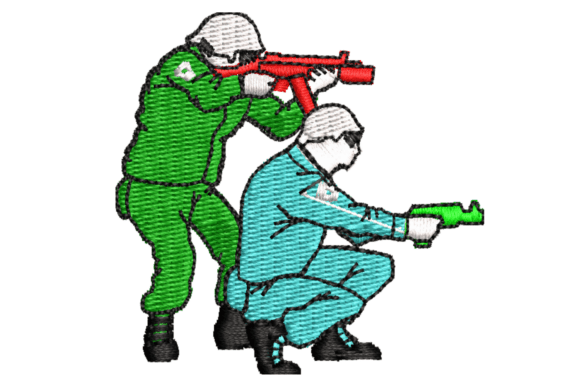
As an embroidery designer who’s stitched everything from delicate florals to high-density logos for tactical gear brands, the Tactical Soldiers Embroidery Design immediately stood out—not for flashiness, but for its grounded, purposeful composition. Two figures in dynamic yet controlled stances convey readiness without aggression; their postures suggest coordination, not confrontation. The design leans into clean line work and intentional negative space—no excessive fill stitch clutter. It reads as a machine embroidery design built for clarity, not just decoration. That matters when you’re planning real-world use on apparel or home goods.
Fits Naturally Where Function Meets Feeling
This isn’t a novelty design you’d slap on a birthday onesie. The Tactical Soldiers Embroidery Design carries weight—literally and emotionally. It works best where discipline, service, or quiet strength are part of the story: custom apparel for ROTC programs, embroidered patches for veteran-led nonprofits, tote bags for military family support groups, or even minimalist pillow covers for a veteran’s home office. I tested it conceptually across several product types—and found its strongest resonance in handmade product contexts that value authenticity over trend-chasing. Because it’s listed under Africa on Creative Fabrica, I also considered its potential in cross-cultural storytelling—for example, honoring peacekeeping units or community defense initiatives across the continent—but only with thoughtful, respectful context.
Real-World Stitching: What Holds Up (and What Needs Attention)
In practice, the Tactical Soldiers Embroidery Design performs well on stable fabrics like cotton twill, canvas, and mid-weight denim. On a sweatshirt? Yes—but only with tear-away + cut-away stabilizer combo to manage stretch and loft. On a curved cap surface? Possible, but only if your hoop size allows full placement without distortion; check the file’s actual dimensions before committing. The design avoids tiny lettering or micro-details, which is smart—no fragile satin stitch outlines begging to fray after three washes.
That said, there are practical checks every embroiderer should run before stitching:
- Test on scrap fabric first—especially with dark thread on light fabric or vice versa. Contrast affects how much “teamwork” and “readiness” actually read.
- Review stitch density. While not overly dense, areas like helmets and gear straps use layered fill stitches. Too much density on lightweight kitchen towels or baby blankets could stiffen them unnaturally.
- Confirm hoop size. This isn’t a 4x4-inch design masquerading as 5x7. Know your limits before digitizing for caps or aprons.
- Use proper stabilizer—especially for textured fabrics like terry cloth (towels) or knits (sweatshirts). Skipping this risks puckering around tactical gear details.
- Inspect small details post-stitch. Helmet visors and boot laces hold up well, but always verify on your machine—stitch timing and tension vary.
Commercial Use: Value, Trust, and Presentation
For Etsy sellers and small-batch crafters, the Tactical Soldiers Embroidery Design adds credibility—not just aesthetic appeal. Customers searching for military-themed items often prioritize authenticity. A clean, balanced design like this signals professionalism, especially when paired with quality materials and precise stitching. It elevates a simple tote bag into a personalized gift for a retiring officer or a graduation present for a cadet.
It also supports strong printable mockup presentation. Because the composition is centered and uncluttered, it photographs cleanly on sweatshirts, pillow covers, and even embroidered patches mounted on cork boards. That visual clarity translates directly to customer engagement—fewer questions about “what does it look like?” and more confidence at checkout.
Brand consistency matters too. If your shop specializes in meaningful, narrative-driven embroidery—say, supporting first responders or honoring service across generations—this design reinforces your voice. It doesn’t shout. It stands.
Where It Shines (and Where to Pause)
The Tactical Soldiers Embroidery Design excels on:
- Tote bags and aprons: Clean lines hold up during daily use and frequent washing.
- Embroidered patches: Its defined shapes and moderate scale make it ideal for iron-on or sew-on applications.
- Nursery decor and baby blankets: Only with careful thread color selection—avoid high-contrast black-on-white for infant items unless intentionally stylized.
- Craft fair merchandise: Stands out in booths without feeling gimmicky; invites conversation, not just quick grabs.
Proceed with extra care on:
- Stretchy or slippery fabrics—like performance polos or satin-lined caps—unless you’ve tested stabilizer pairings thoroughly.
- Products requiring repeated laundering—kitchen towels, baby items—where long-term stitch integrity must be confirmed.
- Very small hoop sizes—if your smallest hoop is 3x3, this design likely won’t scale down cleanly without losing definition.
Final Thoughts Before You Stitch
The Tactical Soldiers Embroidery Design isn’t flashy—but it doesn’t need to be. Its strength lies in restraint, readability, and emotional resonance. As a Creative Fabrica embroidery asset, it delivers what it promises: a disciplined, team-oriented motif rooted in real-world context. For designers building commercial embroidery portfolios—or makers creating meaningful, handmade gifts—it’s a reliable, versatile addition.
Before downloading or selling finished items, always review the full digital embroidery file details on the Creative Fabrica product page: included formats, licensing terms, and any usage restrictions. And remember—every great finished product starts with one thoughtful choice: the right embroidery file, used with intention.