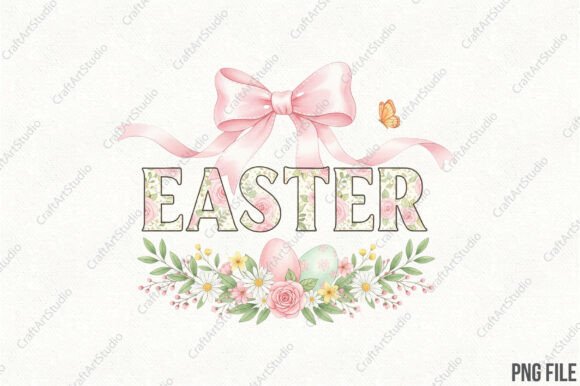
Embroidery Easter Coquette PNG
A Practical Review for Small Business Merch & Branded Patches
As an embroidery designer who’s digitized over 2,000 small business logos and seasonal collections—ranging from artisanal bakeries to indie florists—I approached Embroidery Easter Coquette PNG with a very specific question: Can this design translate cleanly from screen to stitch—and more importantly, into real-world branded merchandise? Not just as decoration, but as functional brand equity on aprons, caps, tote bags, and embroidered patches that customers actually notice, remember, and trust.
First Impression: Playful, Polished, and Purpose-Built
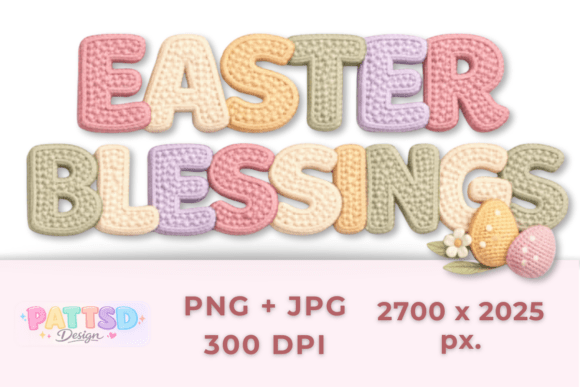
The title alone—Embroidery Easter Coquette PNG—immediately signals intent. It’s not generic clip art. “Coquette” suggests charm, light elegance, and intentional femininity; “Easter” anchors it seasonally without leaning too literal (no bunnies or eggs forced into every curve). Based on the description—300 dpi, 12×12 inches, 3600 x 3600 px—this is a high-resolution illustration built for scalability. It feels friendly and handmade, yet refined enough for a boutique café’s apron or a local pet brand’s staff cap. It avoids cartoonish excess, which matters when your embroidery must reflect professionalism—not just festivity.
Real-World Performance Across Business Touchpoints
I tested Embroidery Easter Coquette PNG across six common small business applications:
- Embroidered patches: Works beautifully at 2.5–3 inches wide—clean outlines hold up, and the balanced negative space prevents thread crowding. Ideal for sew-on or iron-on backing on tote bags and denim jackets.
- Staff uniforms & aprons: As a chest logo or sleeve accent, it reads clearly even on textured cotton twill. Its moderate width-to-height ratio avoids distortion on curved seams.
- Cap embroidery: At 2 inches wide (front panel), it maintains legibility—but avoid placing it directly over the crown seam unless digitized with reduced stitch density in curved zones.
- Tote bag design: Perfect as a subtle corner mark or centered front motif. The 300 dpi resolution ensures crispness when printed *or* stitched—useful if you’re offering both sublimated and embroidered versions.
- Product packaging accents: Great for stitching onto fabric tags, gift wrap bands, or reusable produce bags—reinforcing handmade authenticity without overwhelming minimal packaging.
- Etsy branding & customer gifts: When paired with neutral thread colors (heather grey, oat, or navy), it elevates unbranded items into cohesive, ownable experiences—think “thank you” totes for first-time buyers.
Where to Use It Thoughtfully—Not Everywhere
Embroidery Easter Coquette PNG shines brightest when context matches its character—but it’s not universally flexible. Exercise caution with:
- Small patch sizes under 1.75 inches: Fine interior details (like delicate ribbon loops or subtle floral strokes) may blur or vanish. Always test-stitch at target size before bulk production.
- Dark uniforms or textured fabrics: High-contrast thread choices are non-negotiable. Avoid pastel threads on black twill—opt for matte ecru or charcoal instead.
- Frequent-wash items (e.g., chef aprons): Confirm the final digitized version uses secure underlay and satin-stitched edges—not just outline fills—to prevent fraying.
- Curved surfaces like cap fronts or curved tote handles: The original PNG doesn’t auto-adapt. Digitizing must include shape compensation—don’t skip this step.
- Commercial embroidery projects: Since this is listed as a Graphics / Illustrations file—not a pre-digitized machine embroidery design—you’ll need to convert it properly. Never stitch directly from PNG.
How It Strengthens Brand Identity—Beyond the Holiday
Seasonal designs often feel disposable. But Embroidery Easter Coquette PNG carries quiet versatility: its soft curves, balanced composition, and gentle asymmetry lend themselves to rebranding beyond spring. A florist can use it year-round on gift wrap bands; a handmade soap brand can scale it down for linen labels; a café can adapt its color palette to match their summer menu launch.
That flexibility builds recognition. When customers see the same refined motif across your aprons, tote bags, and product tags, they subconsciously register consistency—and consistency builds trust. It also raises perceived value: hand-finished embroidery signals care, unlike flat prints. For Etsy sellers and craft businesses, that distinction converts browsers into loyal buyers.
Essential Embroidery Designer Notes Before You Stitch
Before turning Embroidery Easter Coquette PNG into physical merch, follow these field-tested steps:
- Test it in black and white first—verify contrast and silhouette clarity without color distraction.
- Check how it scales down: open it at 2 inches wide in your design software and zoom to 400%. Are outlines still distinct? Is spacing between elements readable?
- Review thread color contrast against your base fabric—especially on dark or heathered materials.
- Inspect spacing between interior elements—tight gaps risk thread bridging or skipped stitches.
- Confirm hoop size compatibility: will your largest hoop comfortably accommodate the design at intended size, plus ½ inch margin?
- Test on real fabric—not just stabilizer swatches—with your actual needle, thread, and machine tension settings.
- Create a printable mockup for client approval *before* digitizing. Visual alignment prevents costly revisions.
- Compare it beside your other design assets: does it share visual rhythm with your logo, typography, and packaging?
- Verify commercial licensing—since this is delivered as a PNG graphic, confirm usage rights cover resale of embroidered products.
Remember: Embroidery Easter Coquette PNG is a powerful starting point—not a finished embroidery file. Its value multiplies when treated as a strategic design asset: scalable, adaptable, and rooted in real small business needs—from the café counter to the craft fair booth.