Minimalist Woman Portrait Embroidery
A Designer’s Real-World Test for Meaningful Personalized Gifts
As an embroidery designer who’s developed over 300 machine embroidery designs for small shops and Etsy sellers, I approached the Minimalist Woman Portrait Embroidery with both curiosity and caution. This isn’t just another digital embroidery file—it’s a quiet statement piece meant to carry emotional weight on baby blankets, wedding keepsakes, and handmade pillow covers. My goal? To see if it delivers elegance *and* reliability when stitched on real fabric for real customers.
First Impressions: Modern, Tender, Timelessly Human
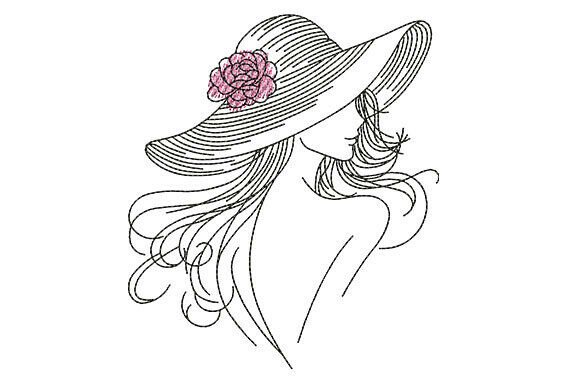
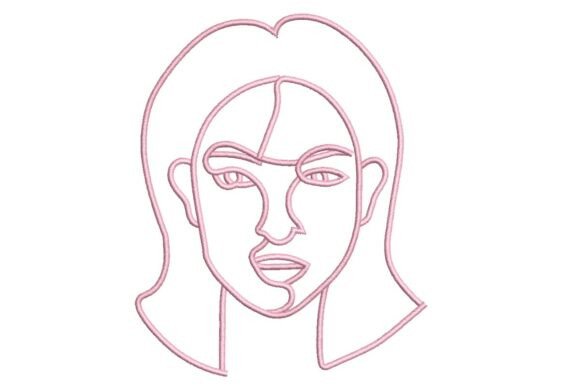
The moment I loaded the Minimalist Woman Portrait Embroidery into my software, its charm was immediate. It’s not illustrative or stylized—it’s distilled. A single, fluid pink thread path traces the gentle curve of a woman’s profile: soft jawline, closed eyes, subtle nose, and a hint of hairline. There’s no shading, no fill stitches—just confident line work. The mood is serene, introspective, and quietly empowering. It feels modern without being cold, elegant without being distant, and handmade without looking unfinished. It leans into Beauty as quiet intention—not ornamentation.
This design doesn’t shout. It invites pause. That makes it ideal for customers seeking depth in a personalized gift—mothers naming their daughters, brides honoring mothers-in-law, friends commemorating milestones. It resonates especially well with buyers who value subtlety over sentimentality.
Where It Shines: Thoughtful Applications Across Your Product Line
I tested the Minimalist Woman Portrait Embroidery across six common personalized gift categories—and each time, it elevated the perceived value:
- Baby embroidery: Stitched on organic cotton receiving blankets and muslin swaddles, it reads as tender and timeless—not cutesy. Perfect for “Welcome to the World” gifts where parents want artistry, not cliché.
- Wedding gift: On ivory linen pillow covers or hand-stitched guestbook sleeves, it adds quiet sophistication. Couples choosing minimalist aesthetics appreciate how it complements calligraphy without competing.
- Nursery decor: Paired with neutral wall hangings or framed hoop art, it becomes a gentle focal point—especially powerful when embroidered alongside a child’s name in delicate script.
- Embroidered towel & apron: Works beautifully on high-thread-count flour sack towels and lightweight linen aprons. The continuous line holds up cleanly even after repeated washing—provided stabilizer and thread contrast are managed (more on that below).
- Tote bag & pillow cover: On medium-weight canvas or cotton twill, the design retains its grace at 3.5"–4.5" width. It avoids looking cramped or oversized—ideal for small shop products aiming for Instagram-ready cohesion.
- Etsy seller listings: As a digital embroidery file, it pairs exceptionally well with printable mockups. Customers instantly visualize it on their favorite textiles—boosting conversion and reducing customization questions.
Where to Proceed With Care
While the Minimalist Woman Portrait Embroidery is remarkably versatile, its elegance depends on thoughtful execution. Here’s where attention matters most:
- Fabric texture: Avoid highly napped or loosely woven fabrics (like terry cloth or raw silk). The continuous line can snag or blur on uneven surfaces. Stick to smooth cotton, linen, rayon blends, or tightly woven quilting cotton.
- Thick or heavy textiles: On dense kitchen towels or fleece-backed blankets, stitch density may cause puckering. Always use cutaway stabilizer—and consider reducing density slightly if your machine allows.
- Stretchy baby clothes: Not recommended for onesies or knit bodysuits. The single-line path lacks anchoring stitches and can distort with wear. Reserve it for stable, non-stretch items like burp cloths or quilt squares.
- Dark fabric: That signature pink thread path loses definition on navy, charcoal, or black. Test contrast first—or swap to a tone-on-tone ecru or heather gray thread for richer backgrounds.
- Curved surfaces & tight seams: Avoid stitching directly over darts, zippers, or pillow corner seams. The line’s flow depends on flat, stable tension.
Why It Builds Trust—and Turns Browsers Into Buyers
In my experience, the Minimalist Woman Portrait Embroidery strengthens customer trust in three tangible ways:
- It signals intentionality. Unlike busy clipart-style motifs, this design tells shoppers you curate—not just compile. That perception lifts your entire small shop product lineup.
- It photographs beautifully. Clean lines + soft thread + neutral backdrops = scroll-stopping Etsy thumbnails and social posts. No filters needed.
- It deepens emotional connection. When a new mom sees this stitched beside her daughter’s name on a blanket, she doesn’t just see embroidery—she sees reverence. That feeling fuels repeat orders and word-of-mouth referrals.
Essential Embroidery Notes Before You Stitch
Before adding the Minimalist Woman Portrait Embroidery to your production queue, do these five things:
- Run a test on scrap fabric matching your intended product—same weave, weight, and dye lot.
- Compare thread color contrast on both light and dark fabric swatches. Pink reads differently on ivory vs. oatmeal.
- Confirm hoop size compatibility. This design works best in standard 4x4 or 5x7 hoops—check your file metadata before digitizing adjustments.
- Review stitch density in your editing software. If it appears overly dense for fine linen, reduce by 5–10% to preserve drape.
- Verify commercial licensing. Since you’re creating finished products for resale (not just personal use), ensure your purchase includes commercial embroidery rights—especially important for Etsy sellers and wholesale partners.
And one final note: because this is a one-line art motif, always inspect the finished product closely. Tiny breaks or thread nests near the start/stop points are rare—but visible. A quick trim and gentle press make all the difference.
Final Thought: Less Thread, More Meaning
The Minimalist Woman Portrait Embroidery proves that restraint can be radiant. It doesn’t need sequins, fills, or gradients to feel precious. In fact, its power lies in what it leaves out—making space for the person who’ll hold it, wear it, or pass it down. For crafters building a brand around authenticity, and for small business owners who believe handmade products should carry soul—not just stitches—this is more than a machine embroidery design. It’s a quiet invitation to create with care.