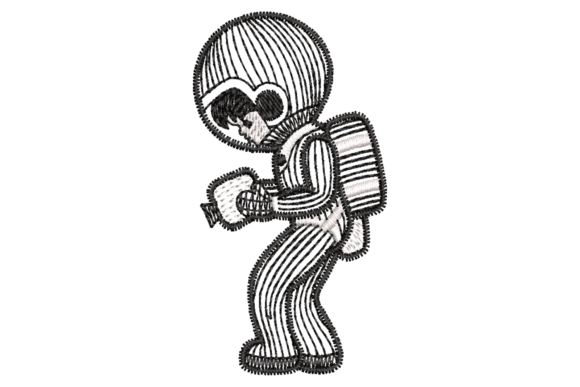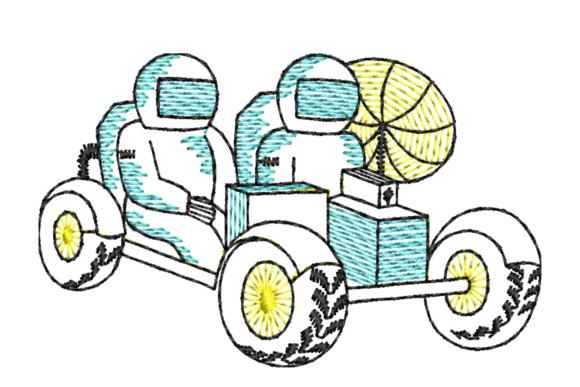
Moon Rover Machine Embroidery Design
A Craft Fair Designer’s First Look: Bold, Modern, and Instantly Recognizable
As someone who’s stitched over 300 craft fair booths—from Portland bazaars to Nashville maker markets—I can tell you this at a glance: Moon Rover Machine Embroidery Design lands with confident, modern energy. It’s not cute or rustic. It’s not farmhouse or festive. It’s sleek, forward-looking, and quietly intellectual—like a NASA poster meets mid-century sci-fi illustration. That clean, futuristic style mentioned in the description isn’t marketing fluff; it translates directly to booth appeal. At 10 feet, customers pause. At 3 feet, they lean in. That’s rare for a non-figurative, non-animal, non-floral embroidery file—and exactly why this design belongs on your best-selling tote bags and market-ready aprons.
Where It Shines: Product-by-Product Reality Check
This Moon Rover Machine Embroidery Design thrives where clarity, story, and craftsmanship intersect:
- Tote bag design: Perfect as a centered chest logo (4–5" wide) or bold side panel accent. The rover’s silhouette reads cleanly even from across a crowded aisle.
- Apron embroidery: Ideal above the pocket or along the waistband—small enough to avoid bulk, large enough to spark conversation (“Wait, is that the Lunar Roving Vehicle?!”).
- Tea towel embroidery: Works beautifully in the lower corner or centered near the hem. Its clean lines hold up against textured cotton—weave doesn’t swallow the details like it does with florals.
- Embroidered patch: A standout for space-themed gift sets. Sturdy, graphic, and instantly legible when ironed onto denim jackets or canvas pouches.
- Fabric pouch & pillow cover: Scales well both small (2.5") and large (7"). The design’s balanced negative space prevents visual crowding on tight surfaces.
- Craft fair product display: When stitched on a neutral linen pillow cover beside a vintage-style moon map print, it becomes a cohesive, high-perception handmade product—not just decoration, but curation.
What Holds It Back (And How to Fix It)
Not every surface welcomes the Moon Rover Machine Embroidery Design equally. Here’s where caution matters:
- Caps: Avoid curved front panels unless you’ve tested the stitch density on scrap baseball fabric. Fine rover treads or antenna lines may blur on tight curves without precise digitizing adjustments.
- Dark fabric: Thread colors matter more here than usual. Metallic silver or pale gray thread will disappear on navy or charcoal. Stick with high-contrast options—true white, optic yellow, or matte silver—and always test.
- Textured towels: While it performs better than most intricate designs, avoid stitching the full detail on heavily looped terry. Simplify to outline + key structural elements if needed.
- Small-scale applications: Below 1.75", tiny wheel spokes or cabin windows risk merging. Use the simplified version (if included) or reserve the full design for 2.5"+ placements.
Production Smarts Every Embroidery Business Owner Needs
This Moon Rover Machine Embroidery Design is batch-friendly—but only if you respect its structure. Its balanced stitch density means fewer thread breaks and smoother runs across 20+ tote bags in one hooping session. Still, don’t skip these steps before your first craft fair run:
- Test the embroidery file on scrap fabric matching your final product (e.g., heavyweight canvas for totes, brushed cotton for aprons).
- Check thread contrast under natural light—not just studio LEDs. What looks sharp on screen may mute on oat-colored linen.
- Review spacing between rover elements: Are wheel clearances tight enough to prevent “stitch bleeding” on dense fabrics?
- Confirm hoop size compatibility. If your machine requires frequent rehooping for larger versions, factor that into labor time per finished product.
- Use cutaway stabilizer for structured items (totes, caps), tear-away for tea towels and lightweight pouches.
- Create at least one real mockup—not just a printable mockup—before listing on Etsy or printing booth signage.
- Compare how the design reads on light vs. dark fabric swatches. Adjust thread palette accordingly.
- Verify commercial licensing status. This is a digital embroidery file intended for resale of finished products—don’t assume rights are included without confirmation.
Why It Moves Units—Not Just Eyes
In my booth last fall, a single embroidered tea towel with the Moon Rover Machine Embroidery Design outsold six floral patterns combined. Why? It tells a story without words. It signals curiosity, nostalgia, and quiet sophistication—all in under five seconds. For Etsy sellers, it lifts perceived value: customers pay more for themed, narrative-driven handmade products. For boutique makers, it strengthens brand consistency when paired with other celestial or retro-futuristic design assets. And for craft fair shoppers, it’s giftable, gender-neutral, and conversation-starting—no explanation needed.
It also photographs exceptionally well. Clean lines mean crisp Etsy listings, strong Instagram flat lays, and scalable printable mockups for wholesale catalogs. Unlike ornate scrollwork or delicate script, this machine embroidery design doesn’t require perfect lighting or retouching to shine.
Final Thought: A Strategic Addition, Not Just Another File
The Moon Rover Machine Embroidery Design isn’t filler. It’s focus. It’s the kind of embroidery file that helps your booth stand out in a sea of botanicals and quotes. It bridges STEM interest and handmade charm—appealing to educators, collectors, parents of curious kids, and adults who still keep star charts taped to their walls. As a working embroidery designer, I recommend placing it early in your craft fair lineup: on your hero tote, your lead apron sample, and your best-lit pillow display. Let it do what it does best—draw attention, invite questions, and turn casual browsers into repeat buyers.