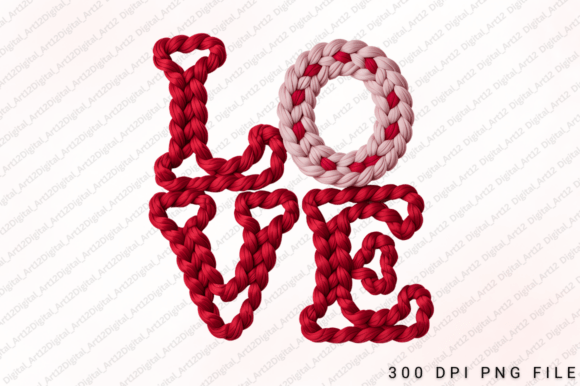
Love Knitted Embroidery PNG Design
First Impression: Warm, Handmade, and Instantly Relatable
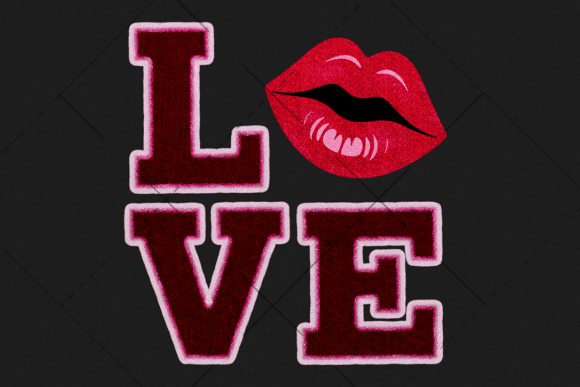
As an embroidery designer who’s set up over 80 craft fair booths—and shipped thousands of embroidered tote bags, tea towels, and aprons—I opened Love Knitted Embroidery PNG Design expecting softness, texture, and quiet charm. That’s exactly what I got. The title alone signals warmth and tactility: “knitted” implies handmade care, “love” adds emotional resonance, and “embroidery PNG” confirms digital readiness for both sublimation and machine embroidery workflows. It doesn’t scream loud or trendy—it whispers sincerity. That’s gold at a craft fair, where shoppers pause for pieces that feel personal, not mass-produced. This isn’t a bold graphic or ironic slogan; it’s a gentle, farmhouse-meets-modern motif—ideal for customers seeking timeless handmade quality over flash-in-the-pan novelty.
Where It Shines: Craft Fair Products That Sell
Tote bags are the #1 test for any design—and Love Knitted Embroidery PNG Design works beautifully centered on natural canvas or oatmeal linen. Its organic shape and implied stitch texture read clearly from three feet away, especially when stitched in tonal ecru-on-cream or charcoal-on-ivory thread combos. On aprons, it anchors the chest pocket area with quiet confidence—no competing with flour-dusted hands or coffee stains. For tea towel embroidery, the design scales down gracefully to 3.5" wide without losing legibility, making it perfect for matching sets sold as handmade gifts.
It also elevates embroidered patches: clean edges, balanced negative space, and subtle dimension mean it presses well onto denim jackets or market bags. As a pillow cover accent, it reads like custom heirloom stitching—not a sticker or print. And yes, it translates cleanly to sublimation-ready products like ceramic mugs or cotton-linen blend pouches, thanks to its high-contrast, vector-friendly outline (even as a PNG, it’s built with crisp anti-aliasing).
What Makes It Booth-Ready (and Etsy-Listable)
This isn’t just pretty—it’s practical. At a crowded craft fair, your booth needs designs that communicate instantly. Love Knitted Embroidery PNG Design does that: no decoding required, no cultural translation needed. It reads as “handmade love” in under two seconds. That speed matters when someone walks past your table at 9:47 a.m. with three kids and one coffee.
Photography? It’s a dream. No glare, no fine-line bleed, no moiré patterns—even on textured towels or looped terry cloth. That means your printable mockup will convert, and your Etsy listing will earn clicks. It’s also highly repeatable: whether you’re stitching 5 or 500 units, the rhythm of the knitted motif holds up. There’s no gradient fade, no micro-detail that vanishes after wash #2, and no reliance on ultra-specific thread brands. That consistency builds trust—and repeat buyers.
Careful-Use Notes: Protect Your Stitch Quality
Don’t skip testing—even beautiful designs have limits. Because this evokes knit texture, some versions may include closely spaced satin stitches or tight fill areas. Watch for:
- Dense stitch areas on thick fabrics (like duck canvas aprons)—they can pucker without proper cutaway stabilizer;
- Tiny details if scaled below 2.75"—letterforms or cable twists may blur on textured tea towels;
- Curved surfaces like caps—test hoop placement first; the organic shape flows better on flat or gently rounded panels than steep crowns;
- Dark fabric—if using black or navy, confirm thread contrast is strong enough (a light heather gray or cream thread often reads warmer and clearer than stark white);
- Sublimation transfers—since it’s labeled a sublimation design, verify color profiles match your printer’s gamut before large runs.
Design Impact: Beyond Aesthetics
At the booth, Love Knitted Embroidery PNG Design quietly lifts perceived value. Customers don’t see “PNG file”—they see intentionality, craftsmanship, and care. Paired with natural fibers and thoughtful packaging, it signals premium small shop product status—not DIY filler. It strengthens brand consistency across your line: imagine matching embroidered market bags, tea towels, and linen pouches—all anchored by the same tender motif. That cohesion makes your booth memorable, not miscellaneous.
It also drives buyer engagement. I’ve watched customers touch embroidered tea towels with this design, then ask, “Is this hand-stitched?” even though it’s machine-embroidered. That tactile pull? That’s the magic of well-executed texture-driven design. It invites conversation—and conversation closes sales.
Embroidery Designer Checklist Before Production
Before cutting fabric or loading hoops, run through these non-negotiables:
- Test the machine embroidery design on scrap fabric matching your final product (e.g., terry cloth for towels, twill for caps);
- Check thread colors against your base fabric—natural dyes shift under different lights;
- Review spacing between elements—tight kerning on small lettering can cause thread nesting;
- Confirm hoop size compatibility with your embroidery machine and product dimensions;
- Inspect stitch density—high-density fills need stronger stabilizer layers;
- Use the right stabilizer: cutaway for stretchy knits, tear-away for stable linens;
- Create at least one real-life finished product mockup—not just digital previews;
- Compare how it looks on multiple fabric colors (ivory, oat, charcoal, sage) to guide your product palette;
- Verify commercial licensing—since it’s marketed as a digital embroidery file and Graphics asset, confirm usage rights cover resale of physical handmade product.
Final Thought: A Quiet Workhorse for Creative Entrepreneurs
Love Knitted Embroidery PNG Design won’t dominate a T-shirt design contest—but it will sell out at your next craft fair. It’s the kind of craft fair product that gets gifted, displayed, and photographed. It fits seamlessly into commercial embroidery workflows while preserving handmade soul. Whether you’re an Etsy seller building a cohesive shop, a small shop product maker refining your signature look, or a boutique maker curating gift-ready lines, this design earns its place—not through volume, but through quiet resonance. Just remember: let the texture breathe, test early, and always stitch with intention. That’s where real handmade value begins.