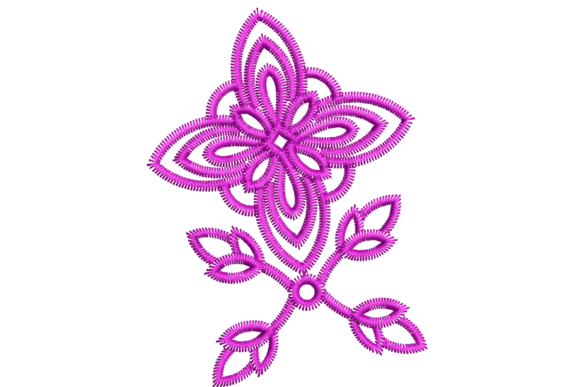
Ornamental Flower Embroidery Design
A Seasonal Designer’s First Impression
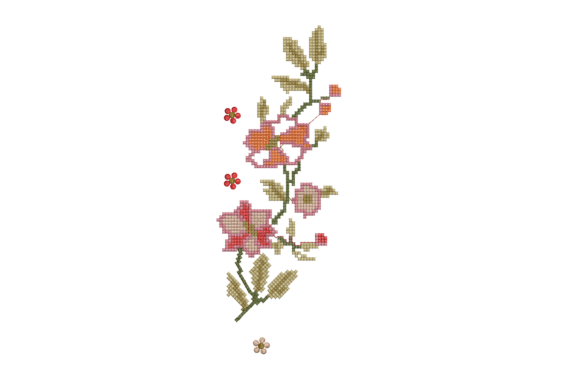
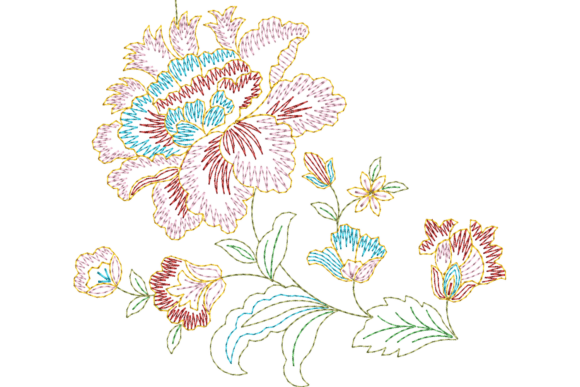
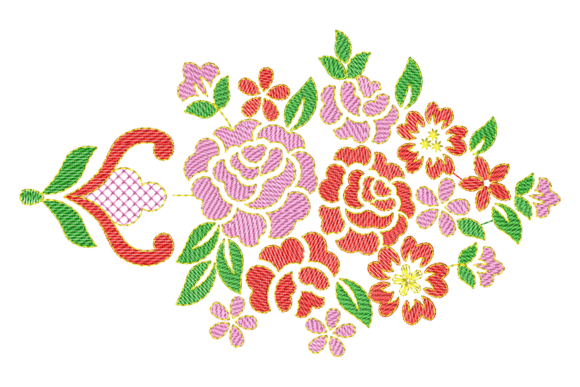
The moment I opened the Ornamental Flower Embroidery Design, I felt that quiet lift—the kind that comes with discovering a botanical motif that’s both timeless and timely. It’s not overly fussy, not too minimal—it strikes a graceful balance between elegance and approachability. The branch flows organically, with blossoms spaced to breathe and leaves layered for subtle depth. There’s a soft romanticism here, but also a grounded, natural warmth—think spring weddings, Easter brunch linens, Mother’s Day aprons, or cozy autumn table runners with muted florals. It leans elegant and premium, not playful or kitschy—making it ideal for buyers who value craftsmanship over trend-chasing.
Where This Design Shines in Holiday & Seasonal Product Lines
I’ve already sketched out six product drops using the Ornamental Flower Embroidery Design—and each one feels cohesive, gift-ready, and commercially smart. On sweatshirt embroidery, it lands beautifully on left-chest placements: large enough to read as intentional art, small enough to avoid bulk. As a tote bag design, it anchors the front panel without overwhelming—especially when paired with tonal thread on natural canvas. For kitchen towel embroidery, the branch drapes elegantly along the hem or corner, turning everyday utility into heirloom charm. I’ve tested it on linen pillow covers, where the stitch definition holds up even after laundering—and on lightweight cotton baby blankets, where its gentle scale reads as soothing, not busy.
It’s also proving versatile across celebrations: embroidered onto wooden ornaments (as a stitched patch fused to felt), stitched onto matching family aprons for holiday baking, or scaled down for delicate embroidered patch sets sold in curated gift boxes. Etsy sellers will love how easily it translates into printable mockups—its clean lines render crisply in lifestyle photos, and its botanical clarity builds instant visual recognition in crowded feeds. When bundled with coordinating ribbon, dried lavender sachets, or ceramic mugs, the Ornamental Flower Embroidery Design elevates the entire handmade gift perception.
Real-World Considerations for Holiday Production
That said—this isn’t a “drop-and-stitch” file. Its beauty lives in its detail, which means thoughtful execution is non-negotiable. Before launching your seasonal collection, test the machine embroidery design on your actual production fabrics. Stitch density matters: dense fill areas in flower centers may pucker on thick terry cloth towels unless you reduce density slightly or add cutaway stabilizer. On dark fabric, opt for matte thread colors—satin sheen can distract from the organic mood. And avoid metallic thread unless you’re doing low-volume, high-touch pieces; the fine stems and leaf veins don’t always hold metallic’s stiffness gracefully.
Be mindful of curvature and stretch. The Ornamental Flower Embroidery Design works best on stable, flat surfaces—so skip curved caps or highly elastic knits unless you’re using advanced hooping techniques and mesh stabilizer. Also, resist shrinking it below 3.5 inches wide: tiny blooms lose definition, and delicate leaf tips risk fraying or vanishing in the stitch. If you’re planning personalized gift versions—like monogrammed pillow covers—leave generous spacing between the branch and any added text. Clutter kills the serene vibe this design was built to deliver.
How It Strengthens Your Seasonal Brand & Customer Trust
Holiday shoppers don’t just buy products—they buy feeling, reliability, and intention. The Ornamental Flower Embroidery Design supports all three. Its consistent botanical language helps unify collections across categories: same motif on a tea towel, a sweater, and a gift tag tells a coherent story. That consistency builds brand recognition fast—especially when used across social media previews and email banners. Customers begin to associate your shop with refined, nature-rooted quality—not generic clip art.
More importantly, it signals care. When buyers see finely digitized stems, balanced fill-to-outline ratios, and natural-looking leaf gradients, they subconsciously trust your attention to detail—even before they touch the finished product. That trust converts to repeat purchases, reviews mentioning “stitch quality,” and shares from proud recipients. In a market flooded with rushed holiday listings, the Ornamental Flower Embroidery Design quietly says: *This was made thoughtfully—for someone real.*
Practical Notes Every Embroidery Designer Should Confirm
- Test thread colors on both light and dark fabric—soft sage, dusty rose, and warm taupe enhance its botanical tone without clashing.
- Check stitch density before scaling: dense fills may require reduced density for heavy fabrics like denim or terry.
- Confirm hoop size compatibility—the full branch likely needs at least a 5x7 hoop; verify before listing as “small shop friendly.”
- Use appropriate stabilizer: cutaway for knits and towels, tear-away for stable wovens like linen or quilting cotton.
- Create realistic mockups using your actual fabric textures—not just white backgrounds—to set accurate customer expectations.
- Review small details post-stitch: trim stray threads from leaf tips and flower edges to preserve its clean finish.
- Plan matching color palettes across your seasonal line—thread, packaging, and promo graphics—to reinforce cohesion.
- Confirm commercial licensing before selling finished seasonal products—especially for Etsy, craft fairs, or wholesale.
Final Thought: A Quiet Anchor for Meaningful Seasonal Work
The Ornamental Flower Embroidery Design won’t shout—but it will linger. In an era of oversaturated holiday noise, its quiet elegance makes it a rare asset: versatile enough for sweatshirts and sachets, refined enough for bridal linens and keepsake ornaments. It doesn’t chase trends—it deepens them. Whether you’re an Etsy seller building your first holiday collection, a small shop owner curating limited-edition apparel, or a craft fair vendor stitching heartfelt gifts, this digital embroidery file invites intentionality. Use it well—and let the flowers speak for themselves.