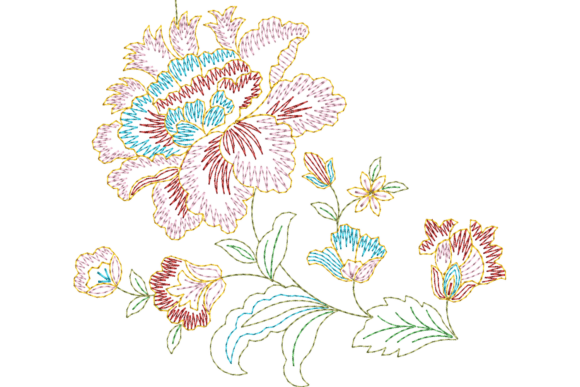
Peony Flower Machine Embroidery Design
A Refined Floral Statement for Small Business Branding
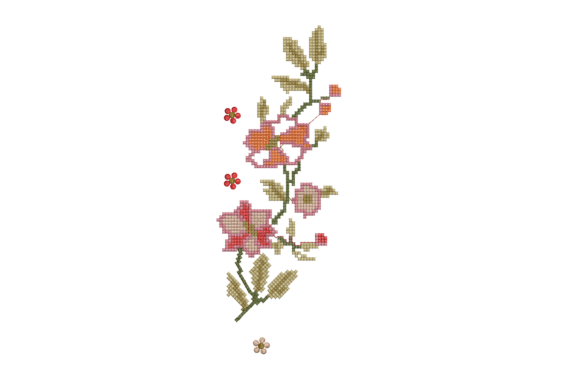
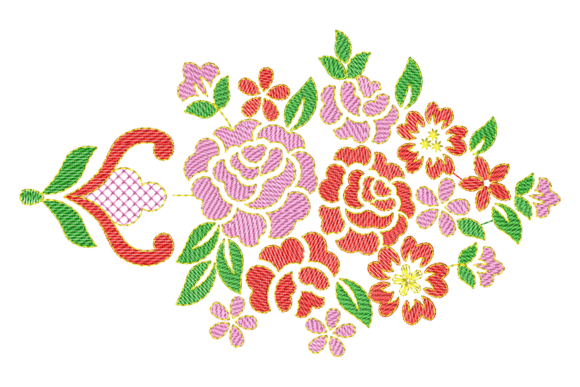
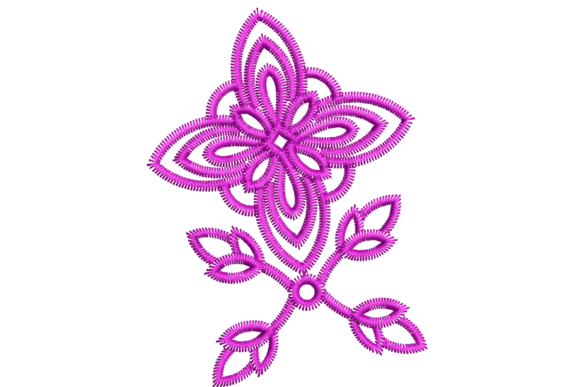
As an embroidery designer who’s digitized and stitched thousands of logos and motifs for cafés, boutiques, florists, bakeries, and handmade studios, my first impression of the Peony Flower Machine Embroidery Design is immediate: it reads as elegant, intentional, and quietly confident—not merely decorative. The description—“a beautiful peony flower surrounded by delicate small buds… inspired by garden blooms”—signals a design rooted in soft sophistication rather than bold graphic impact. That matters deeply when you’re building brand identity through embroidered patch accents, staff aprons, or tote bag designs. This isn’t a playful daisy or a minimalist line-art bloom; it’s a romantic, refined floral motif that conveys care, craftsmanship, and quiet luxury—ideal for businesses where atmosphere and authenticity drive customer connection.
Where It Shines in Real Small Business Merch
The Peony Flower Machine Embroidery Design excels where subtlety and texture elevate perceived value. On a linen apron for a specialty coffee roaster? It adds artisanal warmth without overwhelming the garment. As a 2.5-inch embroidered patch on the chest of a boutique’s staff uniform? It reinforces a cohesive, hand-curated aesthetic. Stitched onto the front of a structured cotton cap for a local florist? Its soft curves translate beautifully to curved surfaces—provided density and underlay are balanced (more on that below). For Etsy sellers packaging handmade soaps or candles, this design works elegantly as a small branded accent on twine-tied tags or fabric gift wraps. And for creative studios launching limited-run merch—think canvas totes or organic-cotton tees—the Peony Flower Machine Embroidery Design delivers visual consistency across product lines while maintaining a distinct, non-generic personality.
Smart Applications Beyond the Obvious
- Apron embroidery—Positioned just above the pocket, its gentle scale and organic flow complement functional wear without compromising durability.
- Cap embroidery—Best placed on the front panel or side gusset where curvature supports natural petal shaping; avoid crowns or overly rigid caps unless test-stitched.
- Tote bag design—Works exceptionally well centered on the lower third of a natural canvas tote, balancing negative space with botanical detail.
- Product packaging accents—Stitched onto fabric labels, reusable pouches, or even embroidered hang tags for handmade goods.
- Commercial embroidery—Pairs seamlessly with monogrammed initials or minimalist business names in complementary fonts for layered branding.
Cautions for Professional Execution
While the Peony Flower Machine Embroidery Design offers strong visual appeal, its “delicate small buds” and “soft floral details” demand thoughtful execution—especially for high-volume or high-wear applications. On dark uniforms or textured fabrics like heavy twill or terry cloth, fine outlines may blur without sufficient contrast or stabilizer support. At very small patch sizes (under 1.75 inches), bud definition can collapse, sacrificing clarity and brand recognition. Similarly, cap fronts with tight curvature or stretch-knit fabrics require careful hooping and possibly adjusted underlay to prevent distortion of petal edges. High stitch density—common in lush floral fills—can also stiffen lightweight fabrics or cause puckering if stabilizer choice doesn’t match both fabric weight and design complexity. Always verify whether the digital embroidery file includes optimized versions for different scales and substrates.
How It Strengthens Brand Identity & Customer Trust
In small business merch, every stitch communicates intention. The Peony Flower Machine Embroidery Design signals attention to detail, emotional resonance, and a commitment to quality—not just decoration. When customers see it on a barista’s apron or a bakery’s reusable bag, they subconsciously associate your brand with thoughtfulness, growth, and natural beauty. That builds trust faster than generic clip art ever could. It also supports visual consistency across touchpoints: whether used as a standalone motif or paired with typography, its romantic yet grounded personality ensures your custom apparel feels unified—not pieced together. For handmade product sellers, it reinforces authenticity; for service-based studios, it softens professionalism with approachability. Crucially, it avoids trend fatigue—peonies carry timeless appeal across generations and markets, making this machine embroidery design a long-term asset, not a seasonal flash.
Practical Designer Notes Before You Stitch
Before committing to production—whether for 10 staff aprons or 500 tote bags—follow these field-tested steps:
- Test in black and white first. Assess how light/dark thread choices affect dimensionality—especially around bud clusters and petal layering.
- Check small patch viability. Resize the embroidery file to your target dimensions (e.g., 1.5" x 1.5") and inspect stitch integrity in software or via print preview.
- Review thread color contrast against your base fabric—particularly on darks or heathers—using actual thread swatches, not screen approximations.
- Inspect spacing between elements. Tight gaps between buds and main bloom must hold during stitching; adjust density or underlay if needed.
- Confirm hoop size compatibility with your machine and intended placement—e.g., cap frames often limit vertical height.
- Test on real fabric with your chosen stabilizer stack (cutaway for stability, tear-away for breathability) before full runs.
- Create a printable mockup for client approval—showing scale, placement, and thread palette—before digitizing final files.
- Compare beside other design assets (logos, icons, typography) to ensure visual harmony and hierarchy.
- Confirm commercial licensing before using in client projects or reselling as part of branded merchandise—this is essential for any digital embroidery file used commercially.
Ultimately, the Peony Flower Machine Embroidery Design isn’t just another floral motif—it’s a strategic tool for small business owners who understand that embroidery is never just about decoration. It’s about storytelling, consistency, and elevating everyday items into meaningful brand experiences. When executed with intention—and grounded in real-world testing—it becomes more than a design. It becomes part of your voice.