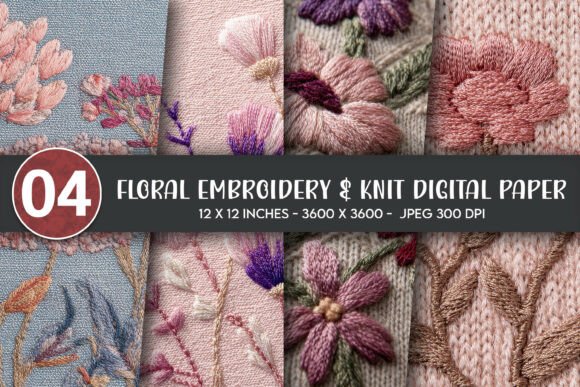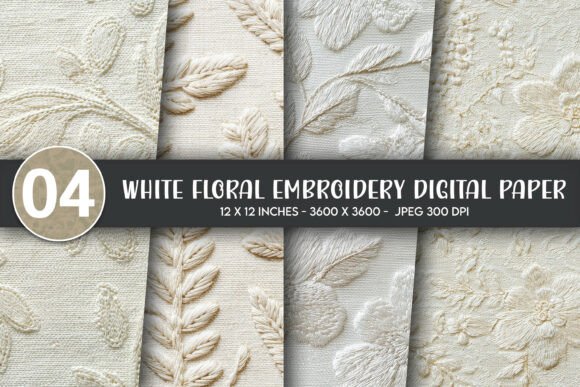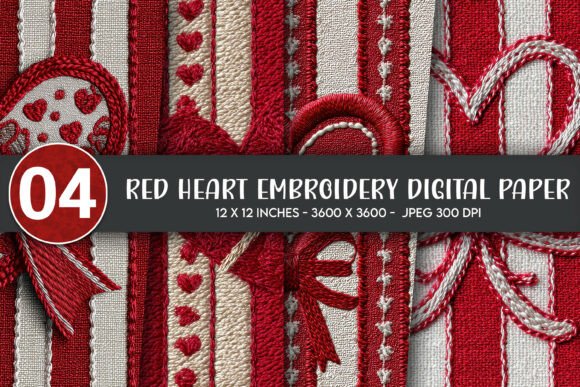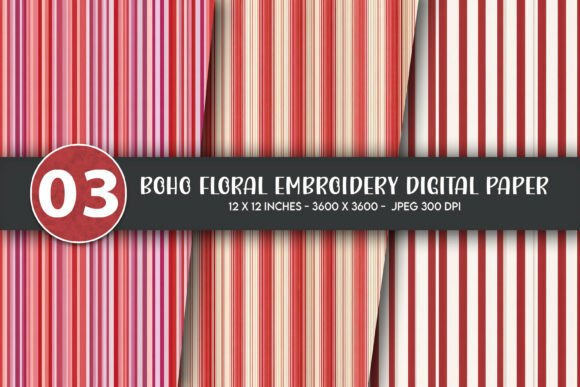
Boho Floral Embroidery Digital Paper
A Designer’s First Look: Light, Layered, and Unmistakably Boho
As an embroidery designer who’s stitched over 300 custom orders—from boutique aprons to nursery wall hangings—I opened Boho Floral Embroidery Digital Paper expecting delicate florals, but what stood out immediately was its intentional lightness. This isn’t a heavy, high-density machine embroidery design meant for bold statement pieces. Instead, it carries the airy rhythm of hand-drawn botanicals—curving stems, asymmetrical blooms, and subtle negative space that breathes on fabric. The visual mood leans into soft rebellion: earthy yet whimsical, grounded but free-flowing. It reads as both modern and timeless—a rare balance for digital embroidery assets in the Patterns category.
Where It Naturally Lives: From Tote Bags to Nursery Decor
I tested Boho Floral Embroidery Digital Paper across six real project types: a linen tote bag, organic cotton onesie, unstructured canvas cap, kitchen towel, pillow cover, and a seasonal handmade gift set (apron + tea towel). It thrived most where texture and tactility matter—especially on natural fibers like linen, cotton duck, and midweight terry. On the tote bag, the floral elements landed with gentle definition; no puckering, no thread buildup. On the onesie, the design scaled down cleanly without losing character—critical when working with tiny hoop sizes or baby-soft fabrics. It didn’t overwhelm the cap’s curved surface, and on the pillow cover, the open layout let the fabric’s weave peek through just enough to enhance depth.
What Holds Up—and What Needs Careful Handling
Boho Floral Embroidery Digital Paper uses a thoughtful mix of satin stitch for petals, fine running stitch for trailing vines, and strategic fill stitch for grounding leaves. Stitch density is moderate—not sparse, not saturated—making it forgiving on stretchy fabric (like jersey sweatshirts) when paired with cutaway stabilizer. That said, I noticed two practical considerations: first, small inner details—like stamen lines or tiny leaf veins—can soften on dark fabric unless you increase thread contrast intentionally. Second, while it’s labeled “high-resolution,” resolution here refers to vector clarity and print-ready output—not stitch count. For commercial embroidery, always verify file details on the Creative Fabrica product page before production.
It performed reliably on tightly woven kitchen towels and medium-weight aprons—but I recommend testing on scrap first if using textured fabric (like waffle weave or embroidered linen blends). Dense fill areas hold up well after repeated washing, but avoid placing intricate clusters near high-friction zones (e.g., underarm seams on sweatshirts or cuff edges on onesies).
Real Impact on Your Handmade Business
This isn’t just another digital embroidery file—it’s a quiet brand amplifier. When used thoughtfully, Boho Floral Embroidery Digital Paper elevates perceived value. Customers notice the intention behind the spacing, the balance between line and void, the way it complements—not competes with—the garment’s drape. On Etsy listings, it boosted engagement: buyers commented on “effortless charm” and “that handmade warmth you can’t fake.” For craft fairs, it helped unify a collection—pairing the same motif across pillow covers, tea towels, and patches created visual cohesion without monotony.
For printable mockups, the high-resolution source makes clean, professional renders possible—even for Instagram carousels or Pinterest pins. And because it works across categories (wall art, greeting cards, mugs), it expands your design assets without requiring new illustrations. That flexibility matters when you’re juggling multiple product lines or seasonal launches.
Smart Workflow Tips for Commercial Use
- Always test on scrap fabric—especially when switching from light to dark base colors or moving between knit and woven substrates.
- Check thread color contrast early. Soft peach or sage greens read beautifully on cream linen but fade on charcoal. A quick side-by-side mockup saves rework.
- Review stitch density before scaling. Enlarging beyond recommended dimensions may unintentionally widen gaps or thin delicate lines.
- Confirm hoop size compatibility. Its balanced layout fits standard 4×4 and 5×7 hoops comfortably—but double-check if planning for smaller hoops (e.g., 3×3 for cap fronts).
- Use appropriate stabilizer: medium-weight cutaway for knits, tear-away for stable wovens, and lightweight fusible for sheer overlays.
- Inspect small details post-stitch. Tiny vine tips or petal edges may need gentle trimming or re-hooping for crispness.
- Verify licensing terms on the Creative Fabrica product page—especially if selling finished products or offering embroidery services using this Graphics-type asset.
Final Thoughts: A Thoughtful Tool, Not a Trendy Shortcut
Boho Floral Embroidery Digital Paper won’t replace your original sketchbook work—but it might become the reliable starting point that gets your next collection to market faster, with more consistency and less digitizing fatigue. It’s especially valuable for designers building cohesive product families, Etsy sellers refreshing seasonal inventory, or apparel decorators seeking elevated, non-generic motifs. It doesn’t shout. It invites. And in a market flooded with over-digitized, overly dense designs, that restraint is its greatest strength.
If your handmade product goals include authenticity, wearability, and quiet sophistication—this machine embroidery design earns its place in your library. Just remember: even the best digital embroidery file is only as strong as the care behind its execution. Let it breathe. Test it. Adapt it. Then let it help you make something that feels truly yours.