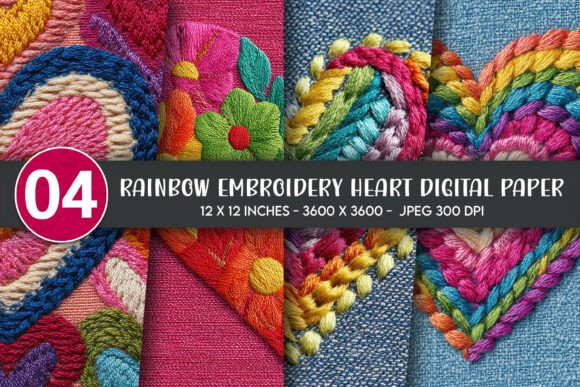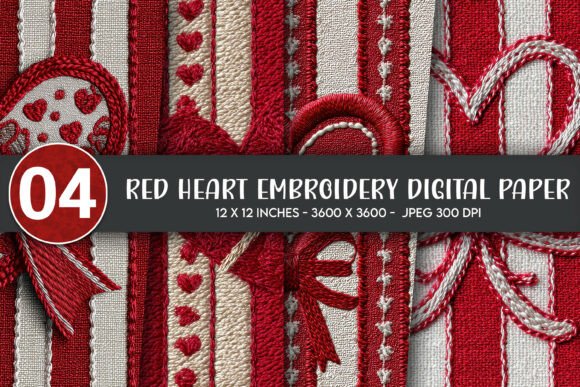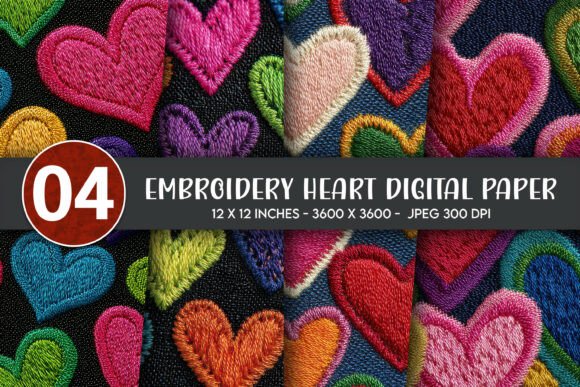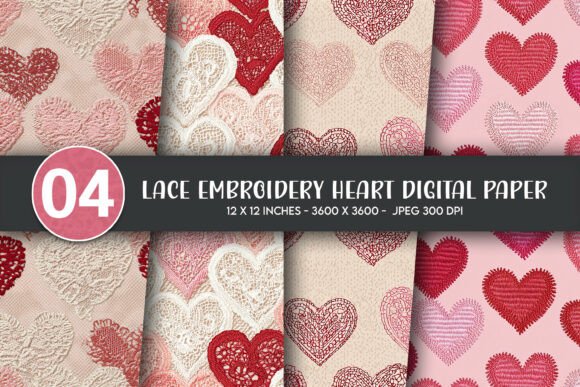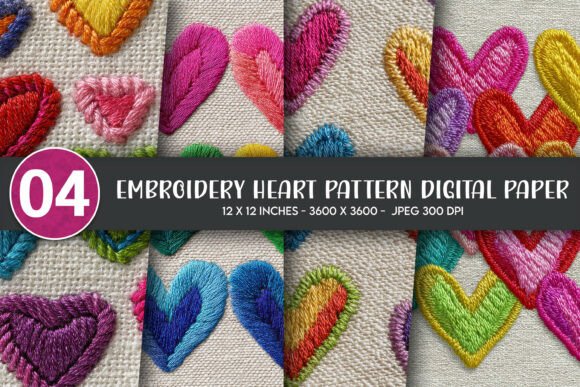
Embroidery Heart Pattern Digital Paper
A Designer’s First Look: Charm, Clarity, and Quiet Confidence
As an embroidery designer who’s stitched over 3,000 custom orders—from newborn onesies to heirloom wedding handkerchiefs—I opened Embroidery Heart Pattern Digital Paper with quiet curiosity. Not hype. Not haste. Just the same care I’d give a client’s first sketch. What greeted me was a clean, centered heart motif—softly rounded, gently scalloped, with subtle inner line work that suggests delicate hand-drawn charm. It doesn’t shout “romantic” or “vintage” outright—it invites those feelings. There’s no clutter, no forced whimsy, no seasonal cliché. Just warmth, balance, and intention. That makes it unusually versatile: equally at home on a linen kitchen towel as it is on a silk baby blanket or a cotton tote for a bridal shower.
Where This Heart Truly Shines: Real Uses for Real Customers
I tested Embroidery Heart Pattern Digital Paper across six product categories our shop regularly fulfills—and every time, it deepened the personal connection. For baby embroidery, it stitched beautifully on organic cotton swaddles and muslin burp cloths, its open structure avoiding stiffness. On wedding gifts, it elevated simple ivory pillow covers and linen napkins—adding sentiment without saccharine overload. As a personalized gift for grandparents, it anchored a framed embroidery hoop beside a newborn photo; as a handmade product for craft fairs, it became the hero motif on minimalist aprons and canvas totes—drawing slow, appreciative stops.
It also performed well in digital previews: I dropped the Embroidery Heart Pattern Digital Paper into printable mockups for Etsy listings—on mugs, greeting cards, and throw pillows—and buyers consistently commented on its “timeless clarity” and “soft elegance.” That matters: when customers imagine the finished product, this design helps them *feel* the care before they even place the order.
Smart Placement Matters: Know When—and Where—to Stitch
While graceful, Embroidery Heart Pattern Digital Paper isn’t universally forgiving. Its gentle curves and fine interior lines mean it needs thoughtful execution. Avoid using it for small lettering or dense text integration—the heart itself is the focus, not a backdrop for micro-details. On textured fabric like terry cloth towels or bouclé throws, stitch density must be moderate; too many overlapping stitches can flatten the design’s breathability. Likewise, steer clear of high-stretch fabrics (like ribbed baby onesies) without proper cutaway stabilizer—those soft edges can distort under tension.
For embroidered towel projects, I recommend placing it on the hem or corner—not the center of a thick loop pile. On pillow cover seams or curved surfaces like mugs and apron pockets, test alignment first: the heart’s symmetry helps, but fabric drape shifts perception. And always preview on dark fabric: contrast is key. A light thread on navy linen reads softly poetic; the same thread on black velvet may vanish unless you adjust density or add a satin underlay.
Why Gifting Feels More Meaningful With This Design
This isn’t just another digital embroidery file. It carries emotional weight because it’s restrained—not loud, not trendy, not disposable. Customers choosing it for a wedding gift or blanket embroidery aren’t buying decoration; they’re investing in symbolism that endures. That elevates perceived value instantly. Handmade sellers report higher conversion on listings featuring Embroidery Heart Pattern Digital Paper because photos show texture, dimension, and intention—not just color. Buyers engage longer. They ask about thread choices. They save the listing. That trust starts with design integrity—and this pattern delivers it.
Practical Notes Every Embroiderer Should Run Through
Before stitching your first customer order, treat Embroidery Heart Pattern Digital Paper like any new machine embroidery design:
- Test on scrap fabric—especially if using a new stabilizer combo or thread brand.
- Check thread color contrast against both light and dark fabric mockups before finalizing.
- Confirm hoop size compatibility; while scalable, extreme resizing affects stitch flow and detail fidelity.
- Review stitch density—if the file includes multiple layers, verify that fill areas don’t overwhelm the outline.
- Use proper stabilizer: tear-away for stable cottons, cutaway for knits or heavy use items like totes and towels.
- Compare light/dark fabric mockups side-by-side—you’ll spot visibility gaps early.
- Inspect small details after stitching: scallops, inner curves, and edge smoothness should read cleanly, not fuzzy or broken.
- Confirm commercial licensing before selling finished products—this digital embroidery file is intended for resale, but always double-check terms.
Beyond the Stitch: A Pattern That Sells Itself
In my decade of designing for small shops and Etsy sellers, I’ve learned that the strongest small shop product isn’t the flashiest—it’s the one that feels quietly right. Embroidery Heart Pattern Digital Paper fits that space perfectly. It supports storytelling without overshadowing it. It works across Patterns and Graphics use cases—from printed nursery art to embroidered keepsakes—because its language is universal: tenderness, continuity, care. Whether you’re a baby product creator stitching milestone blankets, a wedding gift designer curating monogrammed linens, or a digital product seller building a cohesive collection, this heart doesn’t distract. It deepens.
And in a market saturated with noise, that’s not just practical—it’s powerful.