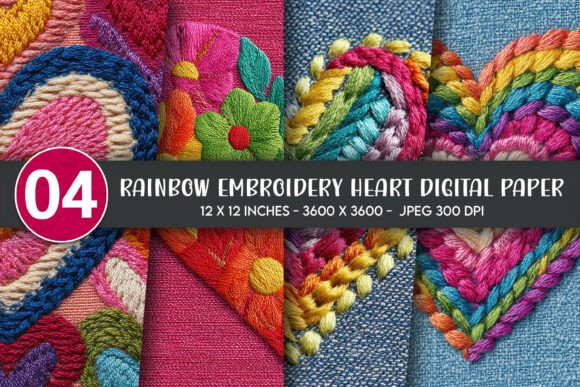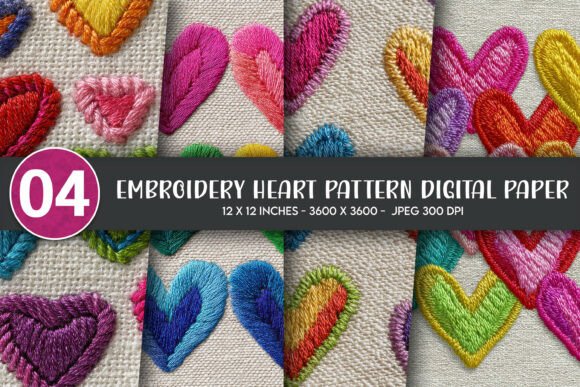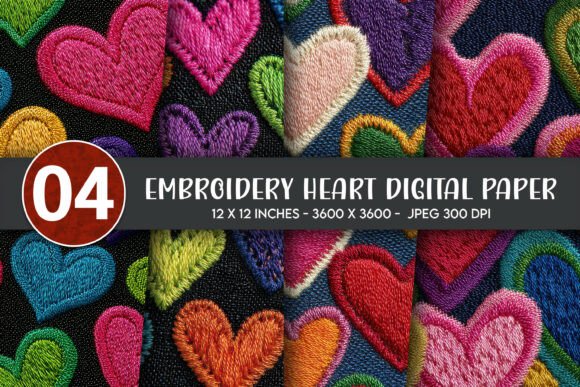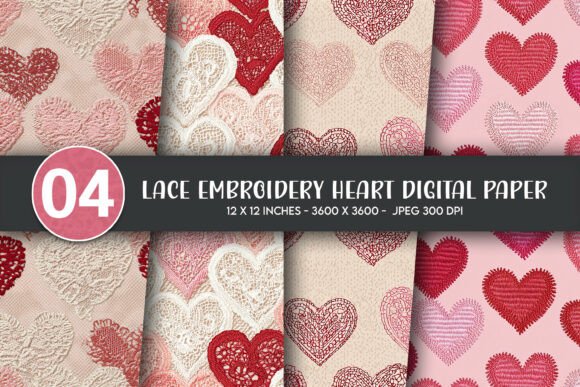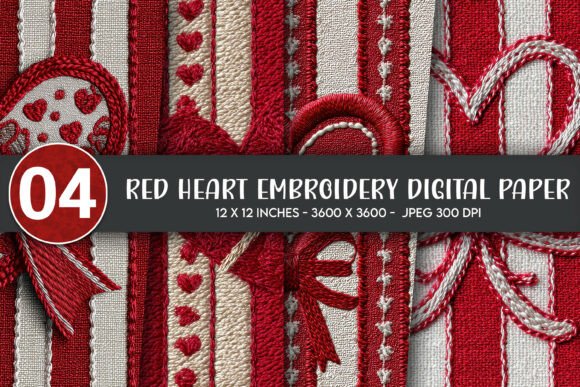
Red Heart Embroidery Digital Paper
A Craft Fair Designer’s First Look: Bold, Sweet, and Instantly Recognizable
As someone who’s stitched over 300 craft fair booths—from snowy Vermont markets to sun-drenched Southern pop-ups—I know what stops a shopper mid-aisle. Red Heart Embroidery Digital Paper lands right in that sweet spot: bold enough to read from six feet away, soft enough to feel handmade and heartfelt. It’s not fussy or overly ornate—it’s confident, cheerful, and quietly versatile. Think modern cottagecore meets timeless gift-shop charm. That red heart isn’t just a shape; it’s an emotional anchor. Customers don’t pause to decode it—they smile, reach out, and imagine it on their favorite tote or their niece’s onesie.
Where It Shines: Real Products, Real Booth Traffic
In my booth setup—lined with embroidered tea towels, reversible aprons, linen pouches, and pillow covers—Red Heart Embroidery Digital Paper performs strongest when scaled intentionally. On a natural canvas tote bag? Perfect at 4.5” wide: clean, centered, and rich with stitch texture. As apron embroidery? Ideal above the pocket—small enough to complement, large enough to command attention. For tea towel embroidery? It reads beautifully on lightweight cotton or linen blends, especially when paired with simple running-stitch borders.
It also translates well to embroidered patches (great for pinboards or jacket swaps), small fabric pouches (ideal as gift add-ons), and pillow covers where the heart becomes a quiet focal point against solid-color linen. I’ve used it as a subtle motif on the inside hem of market bags—elegant, unexpected, and deeply memorable for repeat buyers.
What Works Online—and What Needs Extra Care
Red Heart Embroidery Digital Paper photographs exceptionally well for Etsy listings and social previews. Its high-resolution clarity means printable mockups look professional without heavy editing. The contrast between the red heart and neutral backgrounds pops on screen—critical for scroll-stopping thumbnails. But here’s the reality check: this design leans into simplicity, so its success depends on execution. Tiny details—like fine interior lines or delicate curves—can blur on dense fabrics (think thick denim caps or textured terry cloth towels). On dark fabric, thread color choice is non-negotiable: a matte burgundy or brick-red thread reads richer than neon red, and always test against your base fabric before batch production.
Production Notes Every Embroidery Designer Should Run Through
- Test first: Stitch Red Heart Embroidery Digital Paper on scrap fabric matching your final product’s weight and weave—especially for curved surfaces like caps or mugs (if using heat-transfer vinyl).
- Stabilizer matters: Lightweight cutaway works best for knits (onesies, tees); tear-away is ideal for stable wovens (towels, totes, pillow covers).
- Hoop size & spacing: Confirm the design fits comfortably within your most-used hoop—no cramped corners or awkward re-hooping mid-stitch. Check lettering or interior motifs for tight spacing that could cause thread breaks.
- Stitch density watch: Though not described as ultra-dense, any solid-fill heart area benefits from balanced underlay and moderate density—avoid overloading thin fabrics or delicate trims.
- Create one real mockup: Before printing 50 tags or stitching 30 totes, make one finished product. Hold it in natural light. Tilt it. Snap an unfiltered photo. Does it still feel special?
- Verify licensing: Since Red Heart Embroidery Digital Paper is listed for commercial use across mugs, stickers, and apparel, double-check the included license terms—especially if selling digitally or bundling with other design assets.
Why It Strengthens Your Handmade Brand—Not Just Your Booth
Red Heart Embroidery Digital Paper doesn’t scream “mass-produced.” It whispers “thoughtfully made.” That distinction builds trust at craft fairs, where shoppers scan for authenticity. When paired with quality fabric, intentional thread choices, and clean finishing, it elevates even simple items—like a $22 tea towel or $38 pillow cover—into giftable, shelf-worthy pieces. It supports brand consistency too: use it across your tote bag design, your sticker sheet, and your greeting card line, and customers begin recognizing your visual signature.
For Etsy sellers and small shop owners, it’s a low-risk, high-return design asset. It’s easy to understand at a glance (no decoding needed), scales reliably across formats (from 2” patches to 8” wall art prints), and feels repeatable without fatigue—unlike trend-heavy motifs that date quickly. And because it’s rooted in universal symbolism (love, care, warmth), it sells year-round—not just for Valentine’s Day.
Final Thoughts for the Practical Embroidery Designer
Red Heart Embroidery Digital Paper isn’t flashy—but it’s dependable. In a booth full of intricate florals and trendy typography, it stands out by being refreshingly sincere. It gives your handmade product immediate emotional resonance without demanding extra explanation. That’s gold at a craft fair, where decisions happen in seconds and connection happens before words.
Just remember: its strength lies in thoughtful execution—not just placement. Choose your fabric wisely. Match thread colors deliberately. Respect stitch density. And always, always confirm commercial embroidery rights before turning Red Heart Embroidery Digital Paper into a finished product you sell. Done right, it won’t just fill space on your display—it’ll fill hearts, homes, and repeat orders.